
The allure of gambling: A psychological perspective
The captivating environment of casinos creates a unique psychological atmosphere that draws people in. The flashing lights, vibrant sounds, and the buzz of excitement all serve to enhance the experience of risk-taking. When individuals enter a casino, they often encounter an array of stimuli that trigger the brain’s reward center, releasing dopamine, a neurotransmitter associated with pleasure and motivation. This biochemical reaction not only makes gambling enjoyable but also fosters a desire for more, increasing the likelihood of risk-taking behavior, especially when players utilize resources like mr luck casino login to engage more deeply. The very act of placing a bet can ignite a rush of adrenaline, making the experience thrilling and addictive.
Moreover, the social component of gambling cannot be overlooked. Many people gamble not just for the potential financial gain, but also for the communal experience it offers. Engaging with others, whether friends or strangers, can amplify feelings of excitement and camaraderie, which in turn can encourage individuals to take risks they may not ordinarily consider. This blend of sensory reinforcement and social bonding creates a powerful incentive for risk-taking in a casino setting. The laughter, cheers, and collective anticipation found in casino environments contribute to a shared experience that enhances the emotional stakes of gambling.
Additionally, the psychology of perceived control plays a significant role in risk-taking behaviors. Gamblers often believe they have some level of influence over the outcome, whether through skill, strategy, or sheer luck. This perception can lead to increased risk-taking, as players feel empowered to make decisions that could enhance their chances of winning, even in environments that are fundamentally random. This illusion of control is a common cognitive bias that influences many aspects of human behavior, particularly in high-stakes situations. Players may convince themselves that their decisions can sway the outcome, thus justifying their participation in riskier bets.
Cognitive biases and risk assessment
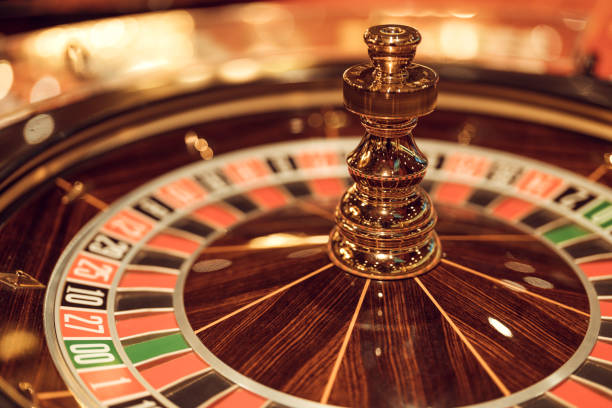
Cognitive biases play a critical role in how individuals assess risk in gambling. One prominent bias is the ‘gambler’s fallacy,’ which is the mistaken belief that past random events can influence future outcomes. For instance, a player might think that if a roulette wheel has landed on red several times in a row, a black outcome is more likely to occur next. This erroneous thinking can lead gamblers to make decisions that increase their risk, as they believe they can predict outcomes based on prior events. Such cognitive distortions can obscure rational thinking and lead to a cycle of continued gambling despite unfavorable results.
Another significant cognitive bias is the ‘optimism bias.’ Many gamblers exhibit this tendency to underestimate the likelihood of negative outcomes, believing that they are less vulnerable to losses compared to others. This overconfidence can result in greater risk-taking, as individuals feel invulnerable and disregard the potential for financial loss in their quest for excitement or profit. This mindset often leads to escalating bets and can contribute to compulsive gambling behaviors. The allure of winning can overshadow the realistic assessment of risks involved, prompting individuals to engage in riskier behaviors.
Additionally, the ‘availability heuristic’ impacts risk assessment in gambling. Players often rely on vivid examples of past wins, and these memories can overshadow losses. When individuals recall their most thrilling experiences, they may believe that such outcomes are more common than they actually are, thereby encouraging them to take on more risk in hopes of recreating those moments. This cognitive shortcut demonstrates how psychological factors can significantly distort an individual’s perception of risk within the gambling environment. The tendency to focus on recent successes can create an illusion of safety and lead to further risk-taking in pursuit of similar rewards.
The role of emotions in decision-making
Emotions play a pivotal role in the decision-making processes of gamblers. High-stress situations, such as gambling, can provoke strong emotional reactions that influence choices in ways that rational thinking might not. For example, excitement can lead to impulsive decisions, while fear of losing can cause players to chase losses, doubling down on their risk-taking in an attempt to recover their initial investment. This emotional rollercoaster can create a cycle of behavior that reinforces the tendency to gamble more, often leading to decisions that are driven by immediate feelings rather than long-term strategies.
Moreover, the concept of ‘loss aversion’ is crucial in understanding gambling behavior. Psychologically, the pain of losing is often felt more acutely than the pleasure derived from winning an equivalent amount. As a result, gamblers may take greater risks to mitigate losses or recover from emotional setbacks. This disparity in emotional response can lead to behaviors such as gambling more than initially planned, under the belief that a significant win is just around the corner. The emotional weight of losses can propel individuals to pursue riskier bets, seeking to balance their emotional scales.
Lastly, the social environment within casinos contributes to emotional responses and influences risk-taking. Observing others win can evoke feelings of excitement and envy, prompting individuals to take risks in hopes of achieving similar success. Conversely, witnessing losses can instill anxiety or fear, leading to erratic behavior and unpredictable decisions. Overall, emotions are inextricably linked to gambling behavior, shaping how individuals perceive risk and motivating them to take action in high-stake scenarios. The interplay of these emotions within the casino setting creates a potent mix that often drives gamblers to take chances they might otherwise avoid.
The impact of environment on gambling behavior
The physical layout and design of casinos are meticulously crafted to enhance the gambling experience and encourage risk-taking behavior. Factors such as lighting, sound, and the arrangement of gaming tables can significantly influence a gambler’s mindset. For instance, brightly colored lights and upbeat music create a stimulating atmosphere that can increase excitement and reduce inhibitions. This setting can lead players to take greater risks than they would in a more subdued environment. The ambiance of a casino is intentionally designed to create an exhilarating experience that encourages prolonged engagement and riskier betting.
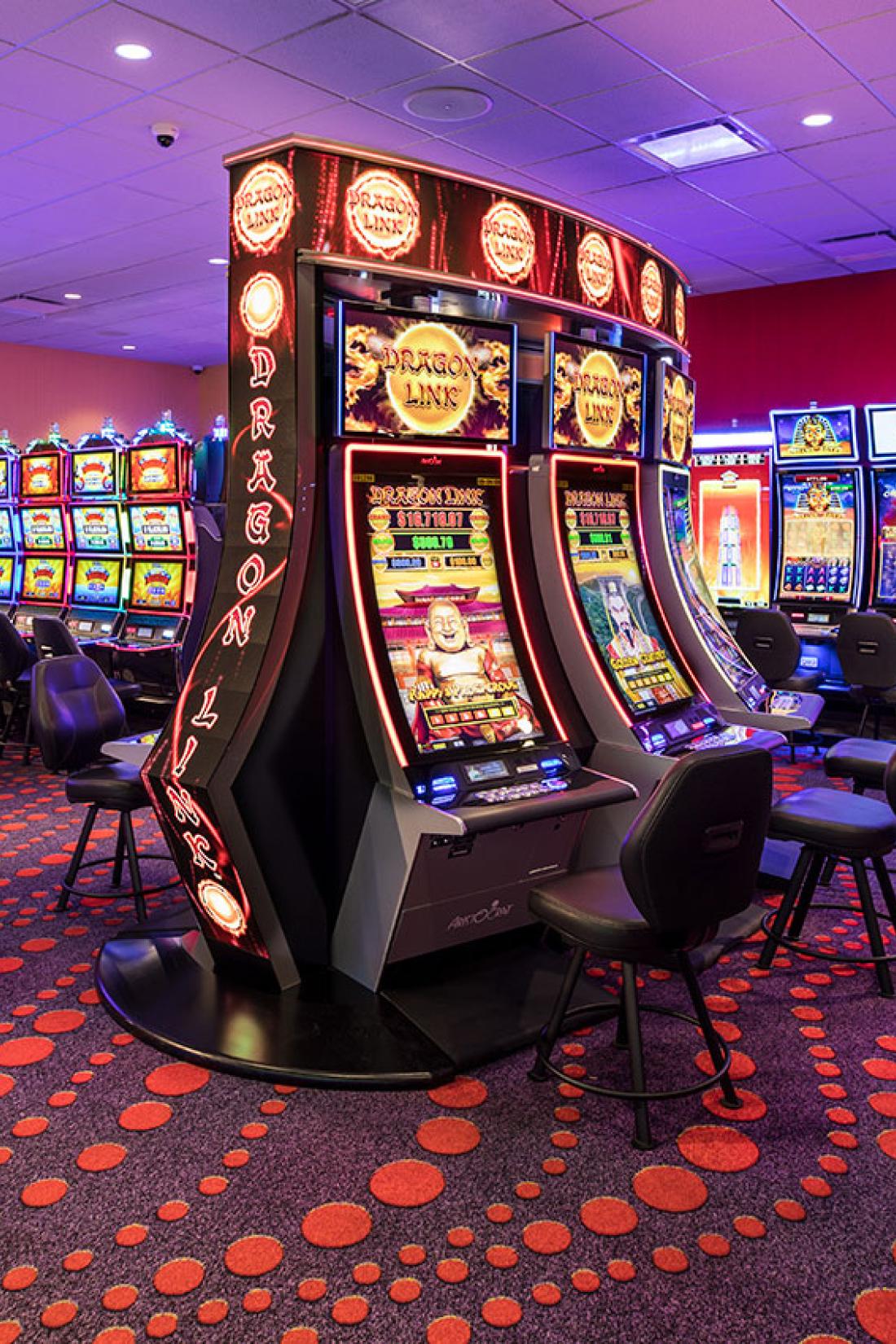
Moreover, the absence of clocks and windows within casinos further contributes to a sense of timelessness, allowing gamblers to lose track of time. This disorientation can create a feeling of being ‘in the zone,’ where individuals may be more inclined to make risky bets without considering the repercussions. This designed illusion can lead to prolonged gambling sessions and increased financial risk, as players often feel detached from reality as they chase wins. The lack of time awareness can further blur the lines between responsible gambling and excessive risk-taking, making it all too easy to overindulge.
In addition, strategic placement of machines and games can influence gambling behavior. Casinos often position high-stakes tables and popular slot machines in high-traffic areas to attract attention and entice players. This tactic not only fosters a sense of urgency but also encourages competition among players, driving them to take risks in hopes of achieving a short-lived thrill. The carefully curated environment of casinos is thus a significant factor in shaping the risk-taking behaviors of gamblers. By creating an atmosphere that rewards risk and excitement, casinos leverage psychological principles to maximize engagement and participation.
Insights on responsible gambling and resources
Understanding the psychology behind risk-taking in casinos is critical for promoting responsible gambling practices. Awareness of cognitive biases, emotional influences, and environmental factors can empower individuals to make more informed decisions while gambling. By recognizing these elements, players can better assess their behaviors and potentially mitigate the risk of developing gambling-related issues. Responsible gambling initiatives aim to educate players about these psychological influences and encourage self-regulation, helping individuals maintain a healthier relationship with gambling.
Various resources are available for gamblers seeking to understand their habits and behaviors better. Support groups, counseling services, and educational materials can provide valuable insights into risk-taking tendencies and promote healthier gambling practices. These resources often emphasize the importance of setting limits, knowing when to stop, and recognizing the signs of problematic gambling behavior. By equipping individuals with the knowledge and tools to navigate their gambling experiences, these resources play a vital role in fostering responsible gambling habits.
Moreover, many casinos are actively implementing responsible gaming measures, such as offering self-exclusion programs and providing access to informational materials about gambling addiction. These initiatives aim to create a safer gambling environment by promoting awareness and encouraging players to make choices that prioritize their well-being. Ultimately, fostering a deeper understanding of the psychology behind risk-taking can lead to more responsible gambling habits and a more enjoyable experience for all. Emphasizing education and support can bridge the gap between the excitement of gambling and the potential risks associated with it.